“How are these things connected?” That was my first impression after stumbling upon several articles linking these two ideas. Keep reading to find a summary about the impacts of climate change on reproductive health and pregnancy.
First of all, air pollution can lead to premature babies or even stillbirths. Studies show that pollution, often in populated and urban areas, can increase the likelihood of premature births and underweight babies…all of which “make it more likely a baby will die in their first year and are linked to both immediate health problems and life-long, chronic conditions” (Wheeler and Davis). This phenomenon occurs especially in developing countries, where air pollution plays a large factor in stillbirths. In addition, pollution, specifically fossil fuel exposure, has been linked to harmful maternal conditions, such as Preeclampsia. Find that study here: Association of Ambient air Pollution with risk of preeclampsia during pregnancy: a retrospective cohort study | BMC Public Health. Pollution has even been found in women’s placentas in a study conducted on women in Belgium.
Next, rising temperatures resulting from climate change are shortening the length of pregnancies. Studies have found a slight increase in births on days where heat exceeded a certain degree. There are multiple theories on why, including ideas that the heat may trigger release of the hormone oxytocin (which is involved in labor) and that heat causes stress on the heart which can also lead to shortened births. Unfortunately, with global warming, this problem will likely get worse and lead to more premature babies (which are often unhealthy).
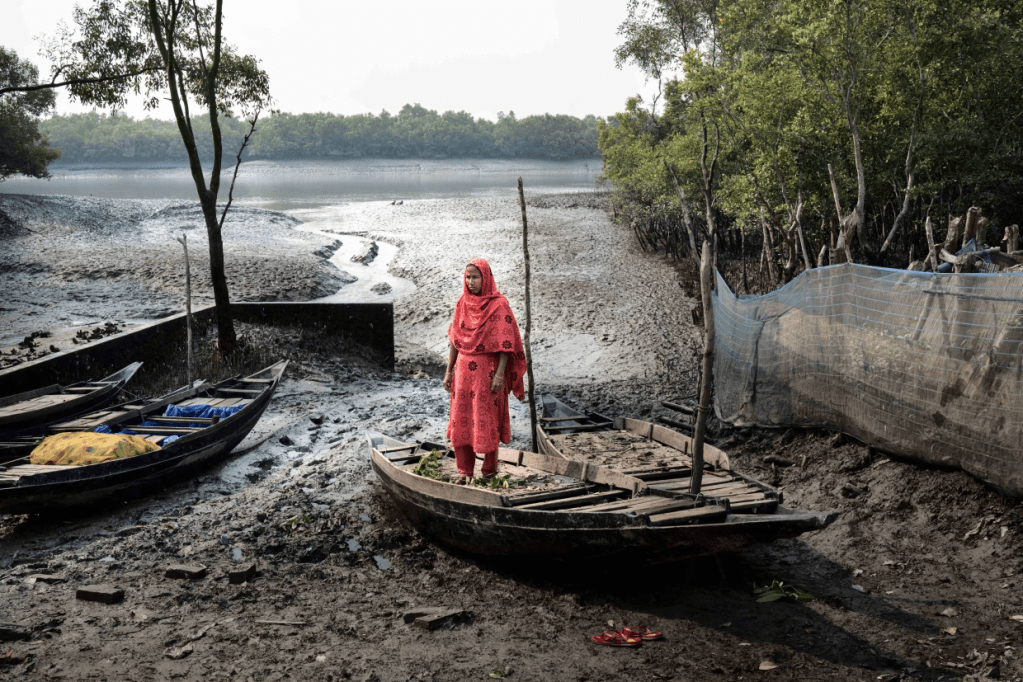
To continue, rising sea levels can lead to illness affecting reproductive health, specifically in poorer countries. Rising sea levels lead to saltier water, and one woman in a Bangladesh community living on a river delta, felt the full force of this impact. Asma Akhter experienced heavy bleeding, vomiting, fevers, and uterine infections after delivering her second baby. Doctors state these effects are due to the salty water invading their water source. Forced to bathe and stand in salt water for long periods of time (in order to fish), women often suffer from menstrual issues and reproductive infections, as well as more well-known illnesses like cholera. Women in other areas, including Lipi Khanom who lives near the Sundarbans forest, dealing with increasing salt water in their community have also experienced difficulty conceiving, even deviating menstrual cycles and abdominal pain.
All in all, increasing sea levels, air pollution, and global warming are largely harmful to women’s reproductive health, their pregnancies, and their babies.
Sources:
https://apple.news/AukoN3NRSTHupVv2tGUEHAA
https://apple.news/A0i7W15mYRfui0zcd51dQ4g
 Energy for the Environment
Leave a comment