
The United Nations is holding sessions to develop “an international legally binding instrument on plastic pollution”, and waste pickers are fighting for representation.
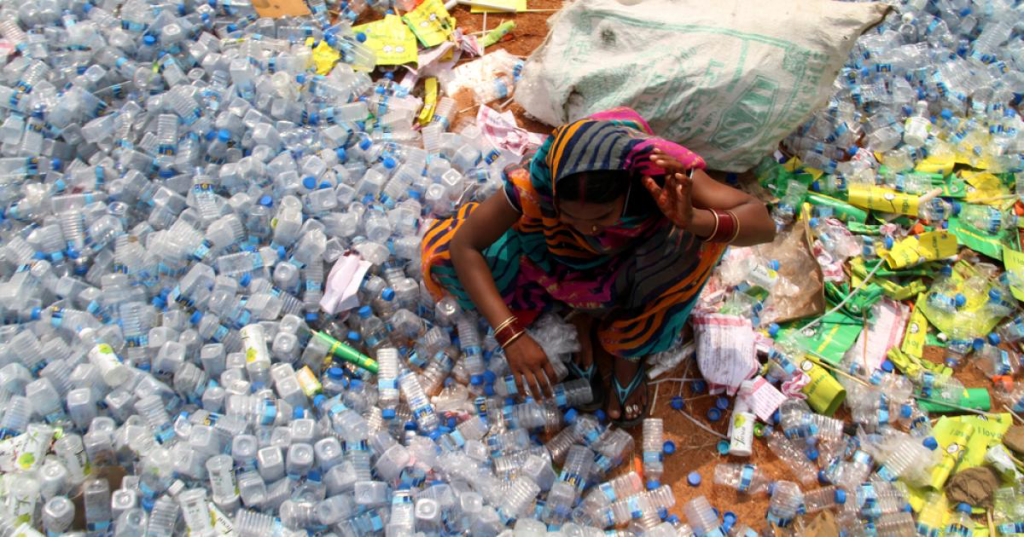
So, what is a waste picker anyway? Waste pickers essentially collect and sort, well, waste (mostly plastic). These jobs are done outside of a formal organization; waste pickers are considered part of the informal economy. Typically, they sell their materials to small- scale companies or companies that require certain recycled materials. This might seem like a trivial, dirty job. However, it is one of the most important jobs, especially in developing countries, as waste pickers account for 60% of all plastic recycling in the world. That’s 20 million waste pickers collecting over half the plastic recycling of 8 billion people. However, they often face harassment from police (collecting recycling could be thought of as stealing in some areas) and they can even face abuse, especially for female workers. These consequences are exemplified by the fact that the majority of waste pickers are low-income, oppressed minorities– living in poverty and often suffering from pollution-related illnesses.
And what is this treaty? Well, the UN’s plastic pollution treaty is designed to restrict and regulate plastic pollution. They aim to do this by weeding out certain environmentally harmful chemicals in plastic, as well as setting limits on plastic production.
How could the UN’s treaty impact waste pickers? The obvious answer is that there will be less plastic to collect and therefore less money available to waste pickers. This money is undoubtedly crucial to the survival of waste pickers and their family. Additionally, as cities and governments become more involved with plastic regulation under the treaty, they will most likely outsource to private companies for waste management. Then, waste pickers would be competing with whole organizations (and their collection systems) for access to recyclable materials. This would limit waste pickers’ “inventory” and waste pickers would lose valuable money.
Finally, what is being done to resolve this dilemma? Waste pickers are currently protesting and advocating for what they call “a just transition”, in which governments recognize the validity of waste pickers and offer them contracts and compensation. This could signify a place to sell their materials or roles in a waste management company. Overall, waste pickers need job security in order to make the money they need. Waste pickers also want to be included in talks. Their efforts have been successful so far, with waste pickers being recognized and included in discussions. In addition, the International Alliance of Waste Pickers has been meeting with lawmakers to help guarantee the representation waste pickers deserve.
To conclude, waste pickers have to fight the stigma behind their work in order to gain the recognition they deserve. Fortunately, waste pickers are being recognized in the UN treaty discussions…but we won’t know if that will translate to actual policies that protect them until the treaty is finalized.
Sources:
https://slate.com/technology/2023/06/un-plastics-treaty-waste-pickers-just-transition.html
https://www.weforum.org/agenda/2022/12/waste-pickers-plastic-pollution-recycling-policies/
 Energy for the Environment
Leave a comment